


Depression
Electroconvulsive Therapy (ECT)
How it works and how to decide if it’s the right treatment for you


This therapist directory is offered in partnership with BetterHelp. If you sign up for therapy after clicking through from this site, HelpGuide will earn a commission. This helps us continue our nonprofit mission and continue to be there as a free mental health resource for everyone.
Need to talk to someone now? Find a crisis helpline
If you're a BetterHelp therapist with questions about your directory listing, please contact therapists@betterhelp.com
Neurofeedback therapy is an emerging treatment for conditions like ADHD and anxiety. Learn about the potential benefits and limitations of this treatment.

Neurofeedback therapy, also known as electroencephalogram (EEG) biofeedback, is a non-invasive treatment designed to help you better regulate your brain activity. During the process, sensors monitor your brain waves, and a computer generates visual or audio cues that correspond to that activity in real-time. For instance, a screen might brighten, or a song might get louder when you think in a certain way.
In this way, the treatment acts as a sort of mirror. It helps you become more aware of what your brain is currently doing and what healthier functioning feels like. In time, neurofeedback therapy can help train you to focus better, feel more relaxed, and manage conditions like ADHD and depression.
If you’re curious about neurofeedback therapy, know that it isn’t a cure-all treatment. In fact, because the evidence regarding its effectiveness is mixed, this approach will likely only be used alongside other therapies. Still, learning more about its potential benefits and limitations will help you weigh whether neurofeedback therapy would be a good addition to your treatment plan.
Neurofeedback treatments can follow various protocols, depending on the condition or disorder being managed. For example, beta and theta training aims to adjust the ratio of theta brain waves (associated with relaxation) to beta waves (associated with alertness).
Most sessions will involve these steps:
The practitioner guides you to a quiet, comfortable space, and sensors are placed on your scalp. The positioning of the sensors will depend on what type of brain activity needs to be monitored. For instance, they might be put on your forehead or behind your ears.
The sensors begin to pick up your brainwaves and send the signals to a computer, which monitors them in real-time.
You’ll get feedback in the form of a visual or audio cue that is influenced by your brain activity. Maybe an image on a screen brightens, or a video game character moves around when your brain produces the desired brainwaves.
Positive feedback is a key part of the process. When you produce the right brainwaves, you might receive a reward. Perhaps the game progresses, or you hear a pleasant chiming noise. In time, the positive feedback helps to train your brain to fall into the desired, healthier patterns.
The practitioner may provide you with strategies to help you along. For instance, they might guide you through calming practices if the goal is to produce alpha waves for relaxation.
The length of the sessions will vary depending on what’s being treated. But multiple sessions—possibly 20 to 40—will be needed before you notice measurable results.
Neurofeedback therapy may be beneficial for the following conditions. However, know that the scientific evidence is still growing, and the actual results can differ from person to person.
ADHD. If you have ADHD, you likely struggle with maintaining focus and self-control. Neurofeedback therapy could potentially help train your brain, so you have an easier time controlling your attention and resisting impulsive urges. When it comes to treating ADHD, the evidence is mixed on the effectiveness of neurofeedback therapy. Some studies show that the treatment is not very effective, while others suggest it’s associated with a long-term reduction in ADHD symptoms.
Depression. Some evidence shows that neurofeedback therapy can reduce depression symptoms, but not everyone responds to the treatment. For treating depression, the neurofeedback therapy will aim to train your brain to tap into more positive mental states.
Anxiety and stress. The treatment might be helpful in managing anxiety and stress-related issues. For instance, some trials suggest that the treatment can help people who are dealing with generalized anxiety disorder andpost-traumatic stress disorder. The concept is that neurofeedback therapy can help calm hyperarousal, a state in which the brain is overly alert and stuck in “fight-or-flight” mode.
Other conditions. Because it seems to help calm an overactive nervous system, it might be useful in managing disorders such as insomnia and sleep disorders, and substance use disorders.
The evidence behind neurofeedback therapy isn’t conclusive. Although it appears to be a promising treatment for certain disorders, further high-quality research is needed to understand how well it works and under what circumstances. In the meantime, it’s treated as a complementary therapy—meaning it’s mostly only ever used alongside more established treatments.
A key benefit of neurofeedback therapy is that it’s non-invasive and generally safe. You might even find it to be a relaxing or fun experience, as if you’re playing a game. However, the treatment has limitations.
Cost. First, it can be expensive. A single session could cost around $100 to $200. This can add up quickly, as some treatment plans can involve 20 to 40 sessions. In many cases, insurance plans won’t cover the cost.
Time. It can also be a time-consuming process. You may only begin to see the benefits after multiple visits over several months. The effectiveness of the treatment can also vary based on the practitioner’s training level and the quality of the equipment.
Side effects. Neurofeedback therapy can also come with side effects. Many are mild and temporary, including:
However, severe effects, such as seizures, depression, memory problems, and worsening of symptoms, are also possible, but rare. In these cases, side effects may be due to the practitioner incorrectly following protocol, such as allowing a training session to continue for too long.
When exploring neurofeedback therapy, keep in mind that it’s typically just one part of a broader treatment plan. Other interventions may be used in combination with—or as alternatives to—this approach.
For example, if you’re using neurofeedback therapy to manage depression, you might also attend cognitive-behavioral therapy (CBT) sessions, which can help you identify and adjust negative thought patterns. On the other hand, if your goal is to manage anxiety, you might combine neuofeedback therapy withyou might try out exposure therapy sessions—in which you gradually engage with things that make you anxious. If you’d like to explore online therapy, we provide information on a number of highly rated online therapy platforms.
If your symptoms are severe, a psychiatrist might prescribe you medication as needed. Perhaps you use stimulants to reduce ADHD symptoms, or serotonin-reuptake inhibitors (SSRIs) to lift your mood. The medication helps lessen the severity of your symptoms as you also try out different types of therapy.
You can also make certain lifestyle changes to improve your mental health. Mindfulness practices, such as meditation and deep breathing, can help you stay present and calm. Aiming to exercise regularly and improve your sleep hygiene can also lead to significant improvements in your mood and focus.
Last updated or reviewed on December 17, 2025How it works and how to decide if it’s the right treatment for you

Cognitive behavioral therapy, exposure therapy, and other options

Certain over-the-counter anxiety medications might help calm your mind. Explore the benefits, limitations, and risks of natural remedies and supplements.
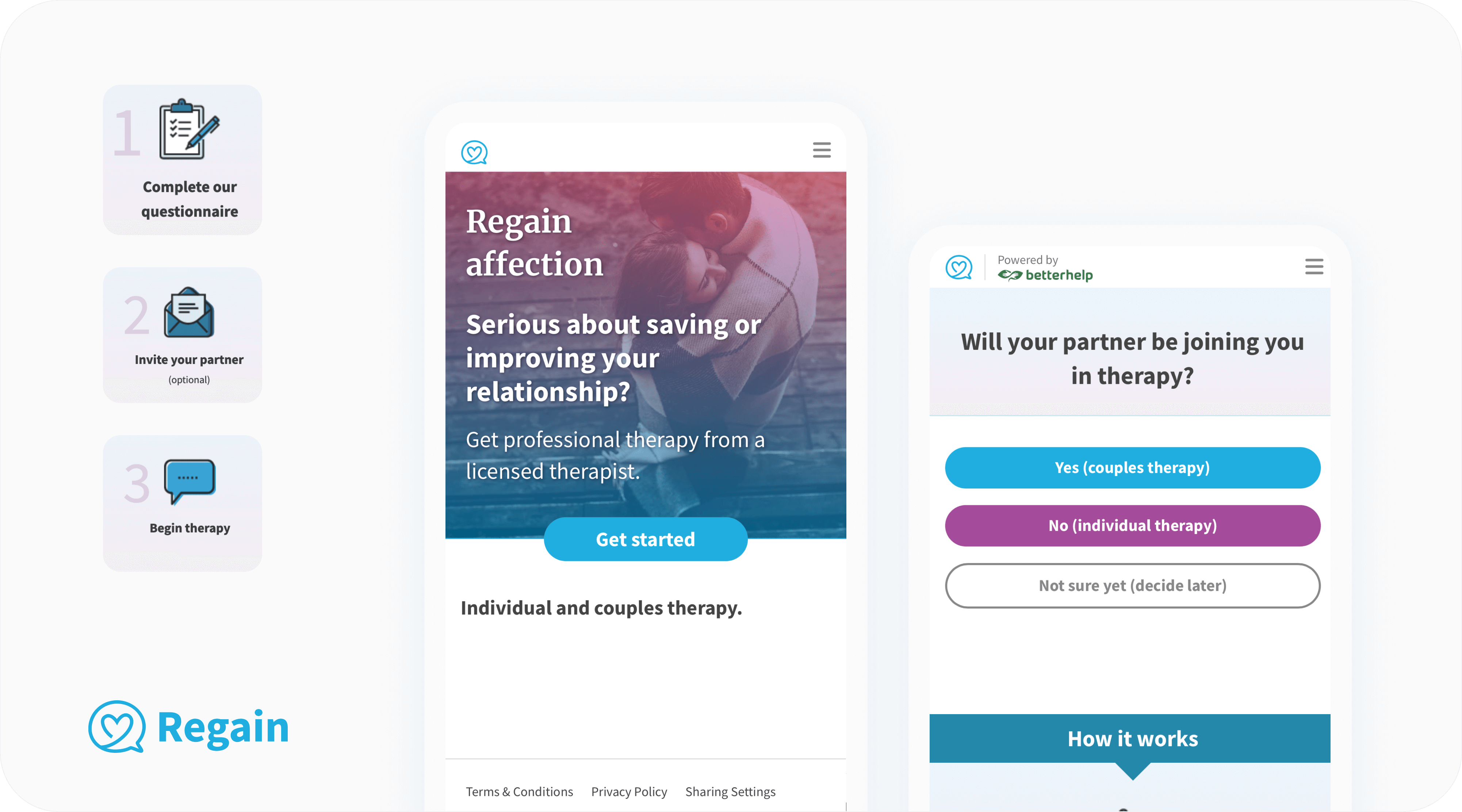
We surveyed real couples who used Regain, and a HelpGuide staff member personally tested its services with a partner. Here’s what we learned about the couples therapy platform.
We surveyed real Sesame Care users and a HelpGuide staff member personally tested its mental health services. Here’s what we learned about the platform’s usability, provider quality, user satisfaction, and more.
Clonidine is a medication used to treat high blood pressure. But it might also be useful for managing anxiety. Learn more about how this medication works and its side effects.
Prozac (fluoxetine) is an FDA-approved medication for anxiety-related conditions. Learn more about how this medication works and its side effects.

Millions of readers rely on HelpGuide.org for free, evidence-based resources to understand and navigate mental health challenges. Please donate today to help us save, support, and change lives.
Donate to HelpGuide.org today