


Anxiety
Anxiety Medication
Learn about common side effects, risks, and taking medication responsibly

This therapist directory is offered in partnership with BetterHelp. If you sign up for therapy after clicking through from this site, HelpGuide will earn a commission. This helps us continue our nonprofit mission and continue to be there as a free mental health resource for everyone.
Need to talk to someone now? Find a crisis helpline
If you're a BetterHelp therapist with questions about your directory listing, please contact therapists@betterhelp.com
Prozac (fluoxetine) is an FDA-approved medication for anxiety-related conditions. Learn more about how this medication works and its side effects.
Prozac is the brand name for an antidepressant medication called fluoxetine. The Federal Drug Administration (FDA) has approved it for treating several conditions, including depression, bulimia, obsessive-compulsive disorder, and panic disorder. However, it can also be used off-label (that is, without FDA approval) for conditions like social anxiety disorder and generalized anxiety disorder.
The medication is a selective serotonin uptake inhibitor (SSRI), so it belongs to the same group of drugs as Zoloft and Lexapro. Like the other SSRIs, Prozac has been extensively studied and is considered a first-line treatment.
If you often struggle with anxiety—perhaps you can’t seem to tame restless thoughts, or you always feel tense and on edge—Prozac might be part of your treatment plan. Discover more about the medication and how it can help improve your mental health.
Prozac, like other SSRIs, increases your levels of a neurotransmitter called serotonin. This chemical plays a role in regulating emotions, so the more of that’s in your system, the more stable your moods will be. When serotonin levels are low, you can experience higher anxiety and deeper depression.
Taking Prozac doesn’t lead to an immediate increase in serotonin. It can take several weeks before you notice real benefits to your mood. However, compared to other SSRIs, Prozac has the longest half-life. This means that it’ll stay in your system longer, reducing the risk of withdrawal symptoms if you miss a dosage.
To treat anxiety, a doctor might prescribe a starting dose of 10 to 20 mg per day. Depending on how your body responds to the medication, you might gradually receive 40 to 60 mg per day. Ultimately, the exact dosage your doctor recommends will vary based on factors like the anxiety disorder you’re struggling with and co-occurring conditions.
Talking one-on-one with a medical provider is the first step to receiving a prescription that’s tailored to your needs. Our best online psychiatry platform picks can give you an idea of where to start your search for a psychiatrist.
Prozac is a slow-acting medication. You might notice some changes in your mood within two to four weeks. However, you might have to wait more than five weeks to experience the full benefits. If your anxiety doesn’t decrease after several months, a change in dosage or medication might be necessary.
The common side effects of Prozac include:
Some side effects will fade with time as your body adjusts to the new medication. However, if any symptoms worsen or persist, you should talk to your doctor.
Prozac can also potentially cause more severe side effects, such as suicidal thoughts in young adults, seizures, and chest pain. These side effects are rare, but it’s important to reach out to your doctor immediately if you experience any of them.
Your prescription provider will want to ensure that you’re not taking any substances that negatively interact with Prozac. For example, taking Prozac alongside medications such as thioridazine, or pimozide, and monoamine oxidase inhibitors (MAOIs) can cause health risks. Substances like alcohol and supplements like St. John’s Wort can also interact with SSRIs and lead to issues like serotonin syndrome—or serotonin toxicity.
If you’re pregnant or breastfeeding, you should let your doctor know before you start taking fluoxetine. You or your doctor might decide to take precautions to further minimize any risks.
Follow these tips to ensure you use fluoxetine safely.
Only use it under medical supervision. You’ll need a medical professional to prescribe you the medication and guide you in its usage.
Track the effects of the medication. If you experience serious side effects or don’t experience anxiety relief, you can talk to your doctor about changing your dosage or switching to a different medication.
Be sure to take the medication at the same time every day. This allows your body to maintain a stable amount of it in your system. Consider using an alarm to remind you when it’s time to take the next dose.
Taper off of it. If you and your provider decide Prozac isn’t the right medication for you, you’ll be instructed to gradually discontinue using it. If you stop using it suddenly, you might experience withdrawal symptoms, such as increased anxiety or nausea.
If Prozac isn’t reducing your anxiety, or if it comes with unpleasant side effects, your doctor might recommend another anxiety medication option.
Other SSRIs. Medications like Lexapro, Paxil, or Zoloft work similarly but can have different effects on different people.
Serotonin-norepinephrine reuptake inhibitors (SNRIs). SNRIs affect serotonin as well as a chemical called norepinephrine. They tend to have more side effects than SSRIs, but they might also be more effective for some people. Some common SNRIs include Cymbalta (duloxetine) and Effexor (venlafaxine).
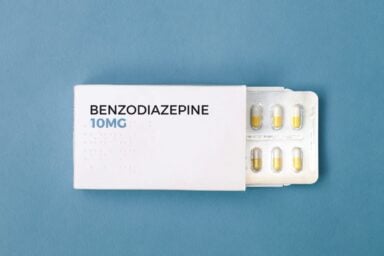
Benzodiazepines. Unlike Prozac and other SSRIs, benzodiazepines can lower your anxiety in minutes. However, they can also be addictive, so your doctor might only prescribe them for short-term use. Xanax (alprazolam) and Valium (diazepam) are some common drugs in this class of medication.
Beta-blockers. Beta-blockers help you cope with the physical signs of anxiety, such as sweating or increased heart rate. They work quickly, but are best for situational anxiety. Lopressor (metoprolol) and Inderal (propranolol) are two examples of beta-blockers.
No matter what type of anxiety-relief medication you take, think of it as just one part of a larger treatment plan. Medication can be a complementary approach to stress-reducing strategies, such as mindfulness meditation, exercise, and sleep hygiene.
Therapy can also play an important role in managing anxiety. A licensed professional can guide you through relaxation practices and help you explore the roots and thought patterns behind your anxiety. We provide information on some of the best online therapy providers to help you get started in your search for a therapist.
Last updated or reviewed on January 6, 2026Learn about common side effects, risks, and taking medication responsibly
Lexapro (escitalopram) is an FDA-approved medication for long-term anxiety treatment. Learn more about how this medication works and its side effects.
Cognitive behavioral therapy, exposure therapy, and other options

Certain over-the-counter anxiety medications might help calm your mind. Explore the benefits, limitations, and risks of natural remedies and supplements.
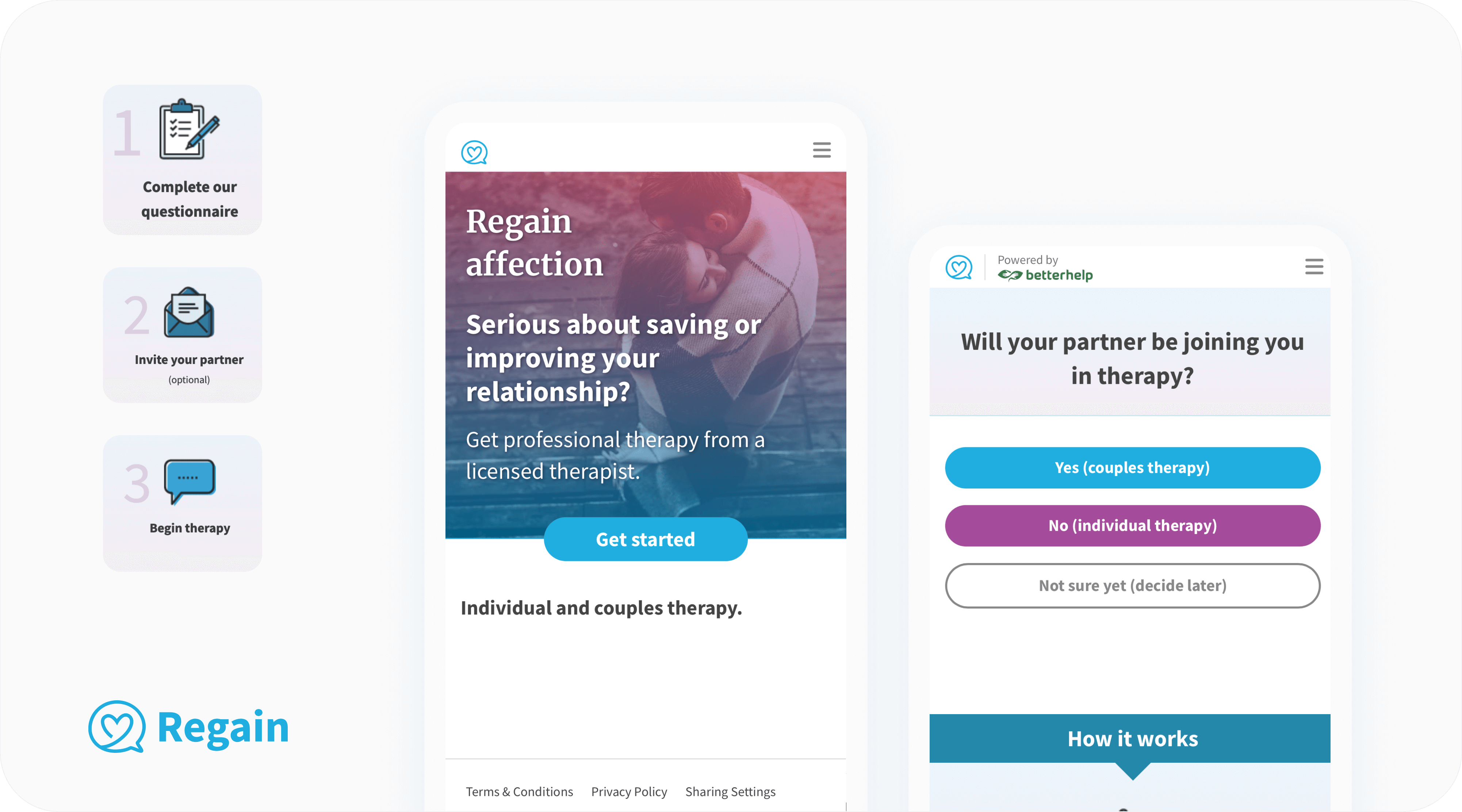
We surveyed real couples who used Regain, and a HelpGuide staff member personally tested its services with a partner. Here’s what we learned about the couples therapy platform.
We surveyed real Sesame Care users and a HelpGuide staff member personally tested its mental health services. Here’s what we learned about the platform’s usability, provider quality, user satisfaction, and more.
Clonidine is a medication used to treat high blood pressure. But it might also be useful for managing anxiety. Learn more about how this medication works and its side effects.

Millions of readers rely on HelpGuide.org for free, evidence-based resources to understand and navigate mental health challenges. Please donate today to help us save, support, and change lives.
Donate to HelpGuide.org today