


Anxiety
Anxiety Medication
Learn about common side effects, risks, and taking medication responsibly

This therapist directory is offered in partnership with BetterHelp. If you sign up for therapy after clicking through from this site, HelpGuide will earn a commission. This helps us continue our nonprofit mission and continue to be there as a free mental health resource for everyone.
Need to talk to someone now? Find a crisis helpline
If you're a BetterHelp therapist with questions about your directory listing, please contact therapists@betterhelp.com
Certain over-the-counter anxiety medications might help calm your mind. Explore the benefits, limitations, and risks of natural remedies and supplements.
If you feel like you just can’t seem to stop worrying or release physical tension, over-the-counter (OTC) supplements and natural remedies could be worth exploring. You might be drawn to OTC options for one of several reasons. Maybe you’re more concerned about the possible side effects of prescription drugs. Or perhaps you simply want remedies that are easier to access and explore without a formal prescription.
OTC options ranging from herbal teas to supplements can be part of a holistic approach to managing anxiety. You might consider using herbal teas like chamomile to relax your body and ease your mind. Or you could explore daily supplements of magnesium, vitamin B-6, or vitamin D to help regulate your nervous system and mood. Calming herbs like passionflower, lemon balm, and chamomile could also offer a path to anxiety relief.
It’s important to keep in mind that the effectiveness of each remedy will vary from person to person. In addition, most of the options are unlikely to eliminate anxiety entirely—especially if you struggle with severe anxiety or a disorder. It’s also wise to consult with your healthcare provider to ensure the remedy you’re trying is safe for you.
If you’re willing to be patient and feel open to a trial-and-error approach, you might find helpful tools that promote relaxation and reduce stress.
The following supplements are commonly touted for their anxiety-reducing properties. They aren’t a substitute for professional treatment, and some are more well-studied than others. However, you might still explore them as part of a broader holistic strategy for managing anxiety.
Magnesium plays a crucial role in supporting your nervous system and regulating chemicals that affect your mood. For instance, it enhances gamma-aminobutyric acid (GABA), which calms the nervous system. It also lowers cortisol, a hormone associated with stress. Low magnesium levels make you more vulnerable to stress. At the same time, stress can reduce your magnesium levels, so it’s important to get enough. Magnesium is found naturally in foods like leafy greens, nuts, and whole grains. However, you can also find it in the form of supplements.
Vitamin B6 is needed for your body to create serotonin, dopamine, and GABA—all chemicals that are vital for mood regulation. Low levels of B6 can leave you feeling more stressed out, irritable, and fatigued. A 2022 study of 478 participants found that a high-dose (100 mg) B-6 supplement led to a decrease in anxiety and depression over the course of a month. B-6 also naturally occurs in various foods, including fish, poultry, potatoes, bananas, and chickpeas.
Vitamin D is another vitamin that plays a role in regulating your mood. It helps your body produce chemicals like serotonin, and it also reduces inflammation in the body. Despite its importance, many adults in the US and around the world have a vitamin D deficiency. Fatty fish, such as salmon and tuna, are some sources of vitamin D. Your body also naturally produces it when you spend time in the sun. However, depending on where you live, winter sunlight might not be enough. Fortunately, supplements are also an option.
Kava is a plant extract that can influence brain chemicals in ways that promote a sense of relaxation. For instance, it enhances the effectiveness of GABA, the neurotransmitter that calms the nervous system. There’s also evidence that kava might cause liver issues for some people, so talk to your doctor before turning to this remedy.
Valerian root has long been used to help improve sleep and calm the nervous system. You might take it in the form of a capsule, tea, or tincture, especially before bedtime. A 2020 review of research found that this herbal remedy is safe for most age groups. However, it’s important to look into a product’s quality and ensure it’s been tested by a reputable organization.
L-theanine is an amino acid that is naturally found in tea leaves. It might reduce anxiety by enhancing GABA and also increasing alpha brain waves, which are associated with a relaxed mental state. Some studies suggest that L-theanine is mostly beneficial for people who have a high baseline level of anxiety. You’ll find this remedy in varying amounts in green, black, white, and oolong teas. You can also get a higher dose of it in supplement form.
Ashwagandha is known as an adaptogen, which means it boosts your ability to adapt to stress. Some studies have shown that ashwagandha extract can help lower cortisol levels, a hormone associated with stress. However, more research is needed to determine how safe it is to use beyond a three-month period. You can find it in capsule form or as a powder that can be mixed into drinks.
Omega-3 fatty acids are healthy fats found in certain fish as well as foods like chia seeds, soybeans, and walnuts. A review of 19 clinical trials found that daily doses of about 2,000 mg of omega-3 fatty acids helped reduce anxiety symptoms in participants. Omega-3s calm the nervous system by reducing inflammation and influencing chemicals like the stress hormone cortisol.
Chamomile is a herb that can act as a mild sedative, calming a restless mind and body. Its effects may be due to the way it influences chemicals such as GABA, dopamine, and serotonin. Chamomile is a popular tea, but it’s also available in tablet form, powder, and tincture.
Cannabidiol is a natural compound found in cannabis plants. Despite coming from cannabis, this compound doesn’t make you feel “high.” Instead, it may simply make you feel calm and relaxed. Although there has been growing interest in CBD in recent years, laws regarding its use vary by state. On top of that, researchers are still exploring its long-term effects and how it interacts with other drugs.
This isn’t an exhaustive list of OTC anxiety options. You’ll likely hear of additional remedies, including saffron, passionflower, and lemon balm. As you explore these and other remedies, always remember to check with your doctor first. They might be able to offer you more information about dosage limits, possible side effects, and risks.
It’s easy to get excited about the possibility of readily accessible anxiety relief. But it’s important to exercise caution when trying out these remedies. Even seemingly simple supplements and herbs can come with risks and side effects, especially if you combine them with prescription medications.
Some supplements can make you feel drowsy and fatigued, while others might cause gastrointestinal problems, like nausea and diarrhea. Serious side effects can also occur. For instance, kava can be linked to liver toxicity, and it’s even possible to experience vitamin D toxicity if you misuse supplements.
Another issue to consider is the quality and safety of OTC products. Dietary supplements aren’t subjected to as strict regulations as medications. So, factors like purity, strength, and ingredients can vary widely and may differ from what’s listed on the label. Research reputable brands to increase the chances of finding products that are safe and effective.
Attempting to manage anxiety through OTC remedies can be a surprisingly complicated process. A doctor can alert you to potential issues with supplements you’re taking and offer professional guidance to keep you safe as you explore options.
Even if you notice some minor improvement in your anxiety level, know that OTC remedies and supplements have their limits. For instance, if your anxiety continually affects your functioning at work or prevents you from socializing, seek out professional treatment. Severe anxiety disorders, such as panic disorder or agoraphobia, can be managed with psychotherapy and prescription medication.
Whether they’re prescribed or over-the-counter, the medications you take for anxiety can be complemented by other strategies. For instance, lifestyle changes, such as exercising more frequently and improving sleep hygiene, can significantly reduce your anxiety levels and improve your overall mood. You can also incorporate mindfulness practices, journaling, breathing exercises, and meditation into your self-care routine. Explore these different practices and note if any of them ease your mind and release tension.
Therapy also remains a crucial part of any anxiety management plan. For example, a provider who specializes in cognitive behavioral therapy (CBT) can teach you exercises to identify, challenge, and replace anxious thoughts that keep you stuck in a cycle of rumination. If you’d like to find an online therapist, we offer information on popular therapy platforms, along with our opinions on the best online therapy picks.
Last updated or reviewed on December 16, 2025Learn about common side effects, risks, and taking medication responsibly

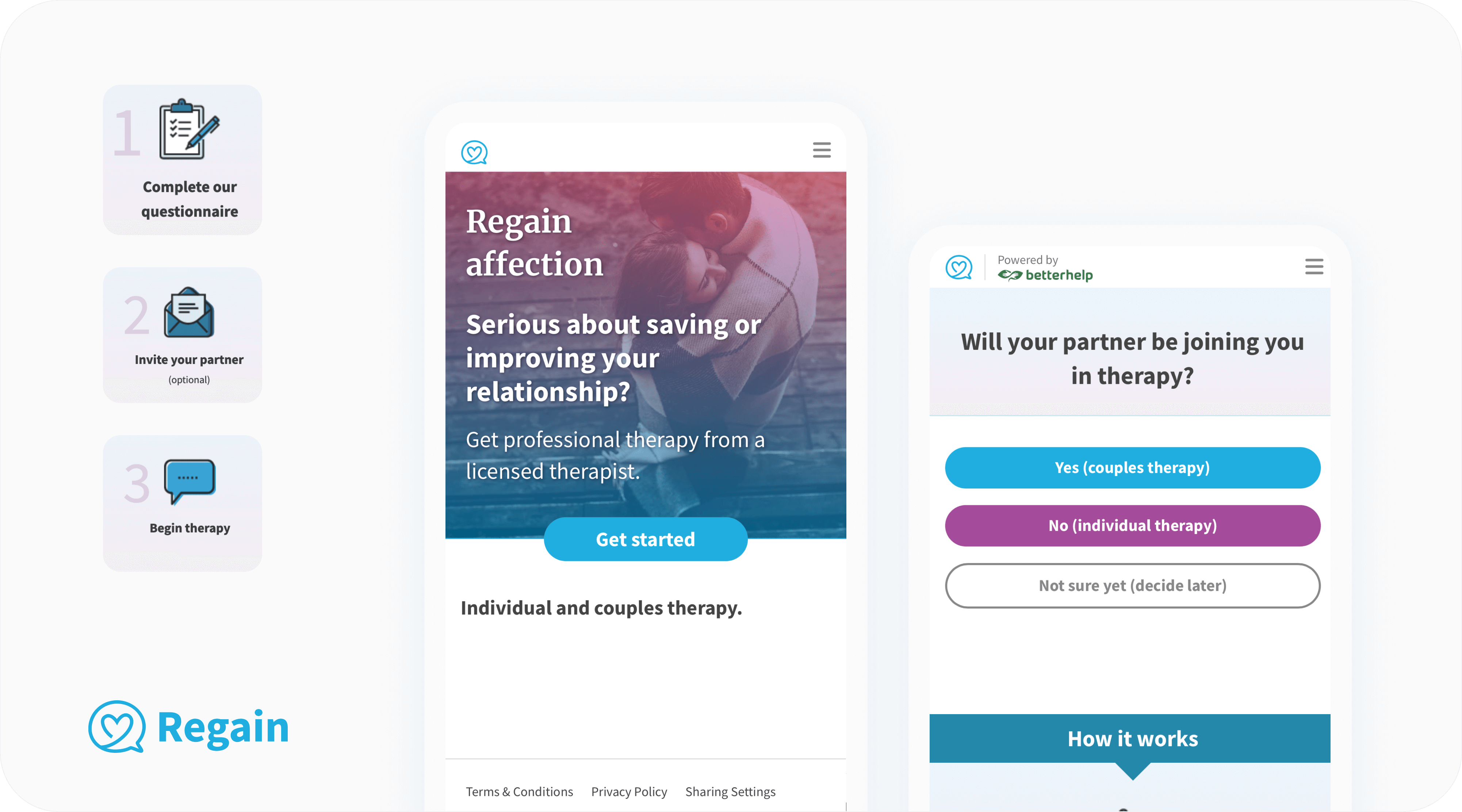
We surveyed real couples who used Regain, and a HelpGuide staff member personally tested its services with a partner. Here’s what we learned about the couples therapy platform.
We surveyed real Sesame Care users and a HelpGuide staff member personally tested its mental health services. Here’s what we learned about the platform’s usability, provider quality, user satisfaction, and more.
Clonidine is a medication used to treat high blood pressure. But it might also be useful for managing anxiety. Learn more about how this medication works and its side effects.
Prozac (fluoxetine) is an FDA-approved medication for anxiety-related conditions. Learn more about how this medication works and its side effects.
Lexapro (escitalopram) is an FDA-approved medication for long-term anxiety treatment. Learn more about how this medication works and its side effects.

Millions of readers rely on HelpGuide.org for free, evidence-based resources to understand and navigate mental health challenges. Please donate today to help us save, support, and change lives.
Donate to HelpGuide.org today